From Feature Output to User Value
A beta-first growth plan starts with activation and retention, adds pricing discipline, and invests in marketing only after the product repeatedly creates value without compromising trust.
Thoughts, tutorials, and insights on technology, development, and more
A beta-first growth plan starts with activation and retention, adds pricing discipline, and invests in marketing only after the product repeatedly creates value without compromising trust.
Replacement cost, strategic value, sale value, and venture value answer different questions. Before traction, the honest approach is to keep them separate and expose the assumptions.
I built a private research-to-caption-to-image workflow around human approval, a controlled canary, and an ongoing blind model comparison—not autonomous bulk publishing.
Exact-head previews, step-by-step browser evidence, focused feature reports, and CI turned AI-assisted delivery from a plausible diff into a reviewable claim.
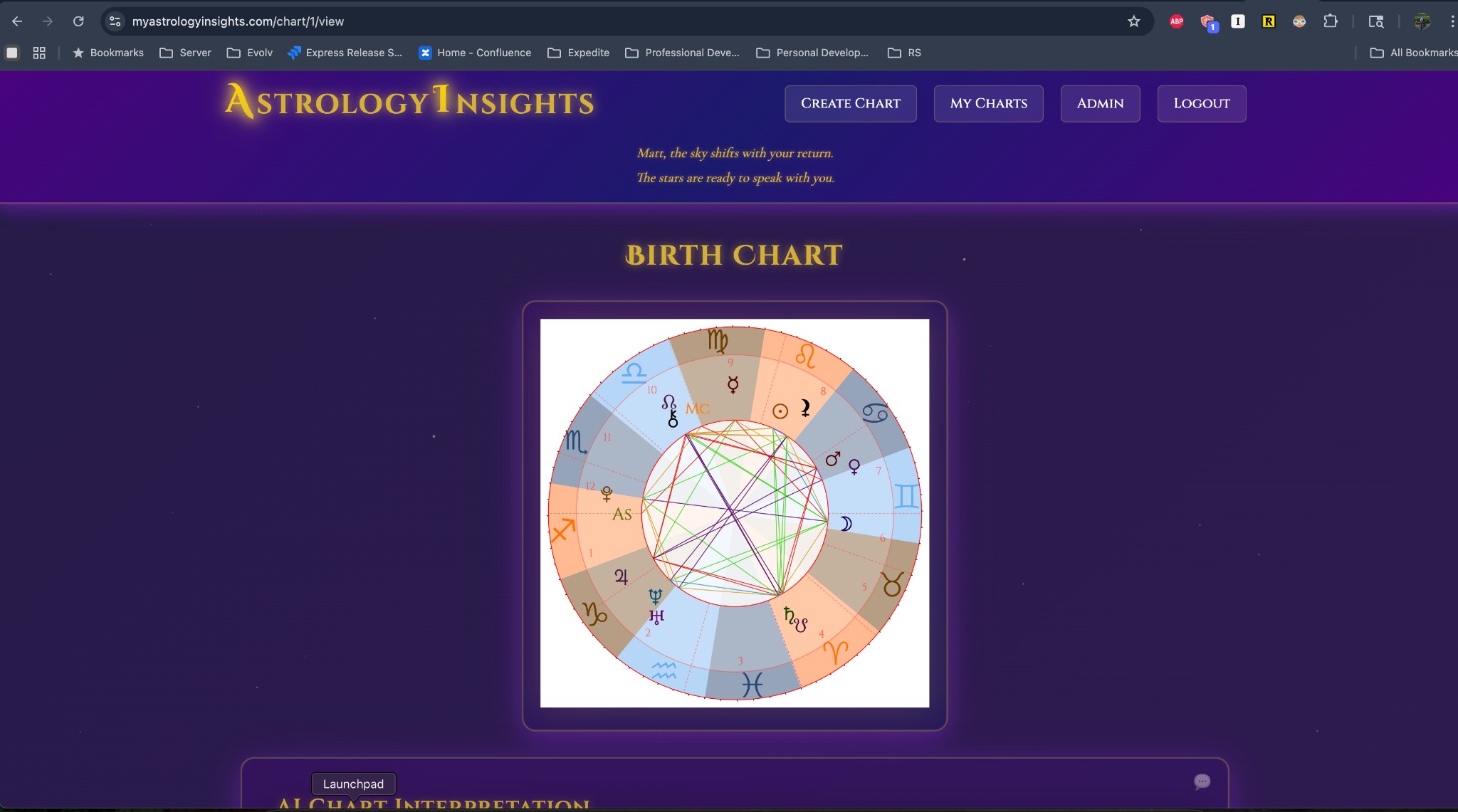
AstroAI separates deterministic birth-chart calculation from AI interpretation, then makes consent, privacy, uncertainty, and plain language part of the product itself.
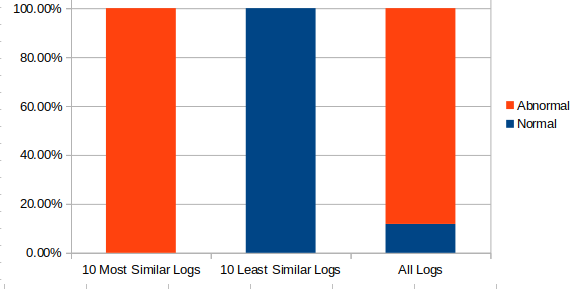
What I learned building a local anomaly-detection pipeline for high-volume embedded-system logs: preprocess the noise, test the embedding space, and fine-tune for the domain you actually have.
How four one-off exam tutors became private-by-design, offline-capable interactive study pages with instant browser-based feedback.
The optimal value function from reinforcement learning is the perfect heuristic for A* — not a metaphor, the same mathematical object. That one identity explains what learned heuristics are actually approximating, and why admissibility is the thing they risk losing.
Crunch mode has one rule: study what the exam actually tests, not what the syllabus covers. Here's the workflow I use to hand an AI a stack of past exams and get back a prioritized, time-boxed study plan.
A Bloom filter answers \"have I seen this before?\" using a tiny bit array and a handful of hash functions. It can be wrong — but only in one direction. Here's the mechanism, the math, and an interactive filter you can poke at.
The optimal value function in reinforcement learning is literally the optimal heuristic for A* search. That one observation collapsed classical AI and deep RL into a single subject for me — and produced this multi-year study plan.
The multi-year plan I'm using to fill the math gaps a CS degree leaves behind — real analysis, abstract algebra, probability — built mostly on free textbooks and weighted toward what I can actually use.
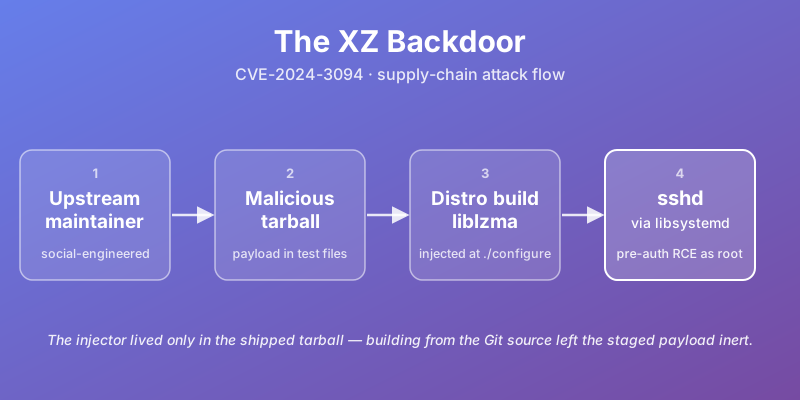
A backdoor that nearly shipped into every major Linux distribution lived in release tarballs and build-test files, not the source code anyone was reading. Here's the anatomy of the attack, the multi-year social engineering behind it, and what it means for how we trust open source.
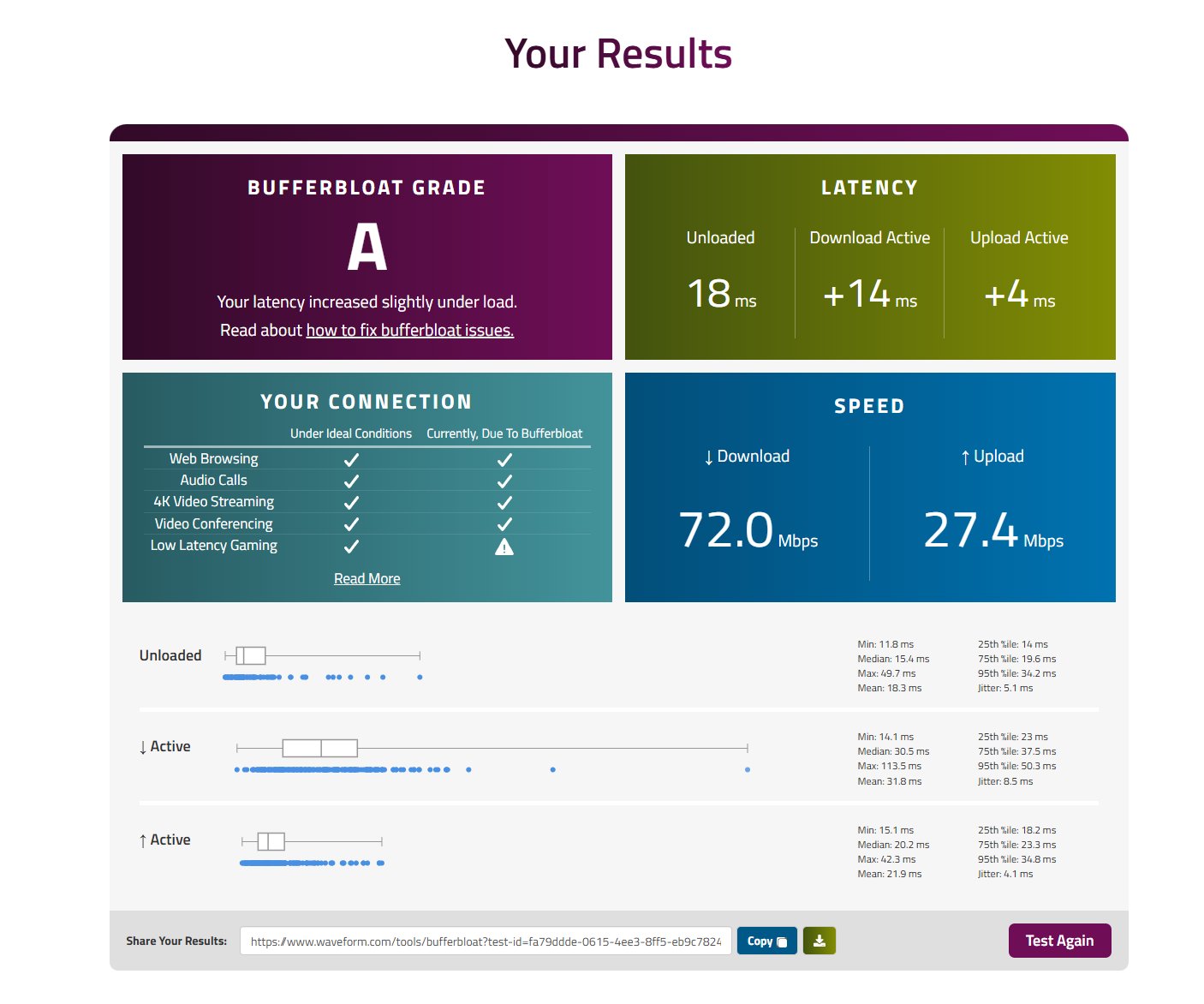
My ping spikes were hitting 374ms during gaming sessions even though median latency was fine. The culprit was bufferbloat, and the fix involved flashing OpenWrt onto an old router I'd forgotten I owned.
I gave Claude a one-sentence brief about health insurance and got back a structured analysis that would have taken me a weekend. Here's what the workflow looked like.
How do you assign exams to rooms and proctors simultaneously? Build a flow network, run Edmonds-Karp, and read off the assignments — or discover exactly why it's impossible.
How I built a private review loop for calibrating generated brand images—and why fast, specific human feedback matters more than unattended volume.
How do you find the maximum flow through a network? Explore Ford-Fulkerson, Edmonds-Karp, and how to build intuition with working Python code.
The minimum cut of a network equals its maximum flow — one of the most elegant duality results in computer science. Here's how it works and how to find it.
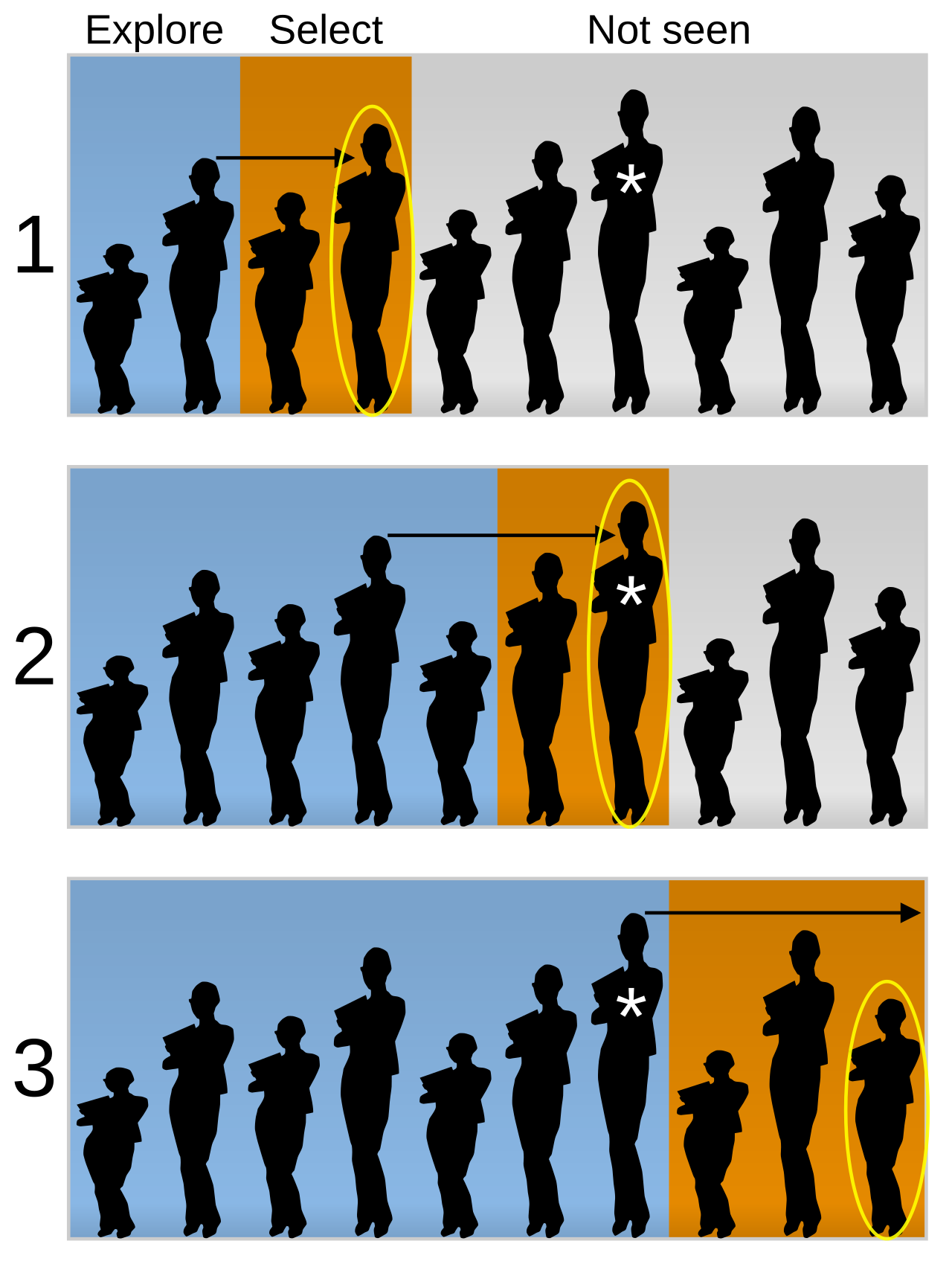
Explore how the classic 'Secretary Problem' from optimal stopping theory can inform hiring decisions, and learn when to trust the math versus when to trust your intuition.
An honest take on Claude Code, Codex, and agent orchestration after using them heavily in production work. Not a sales pitch.
Patience, fundamentals, and getting comfortable being bad at something new — lessons from the mat that apply directly to building reliable software.
Practical lessons from building Astrology Insights — what actually matters when shipping AI features, and when to put the model down.
Learn how to build comprehensive test suites for modern web applications using Playwright, covering end-to-end testing, component testing, and best practices.
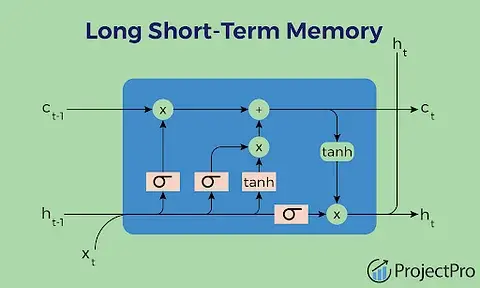
A deep dive into building LSTM networks for time series prediction, covering architecture design, training strategies, and evaluation techniques.
Learn how to integrate OpenAI and Anthropic APIs into your Flask applications to create intelligent, conversational experiences.